For Giuseppe Penone, a tree is never simply a tree.

Born in Garessio, Italy, in 1947, Penone emerged in the late 1960s as one of the central figures of Arte Povera, the Italian movement that challenged traditional artmaking through humble and unconventional materials. While others worked with everything from rags to industrial debris, Penone turned repeatedly toward something much older: nature itself.
Trees became one of his most enduring subjects.
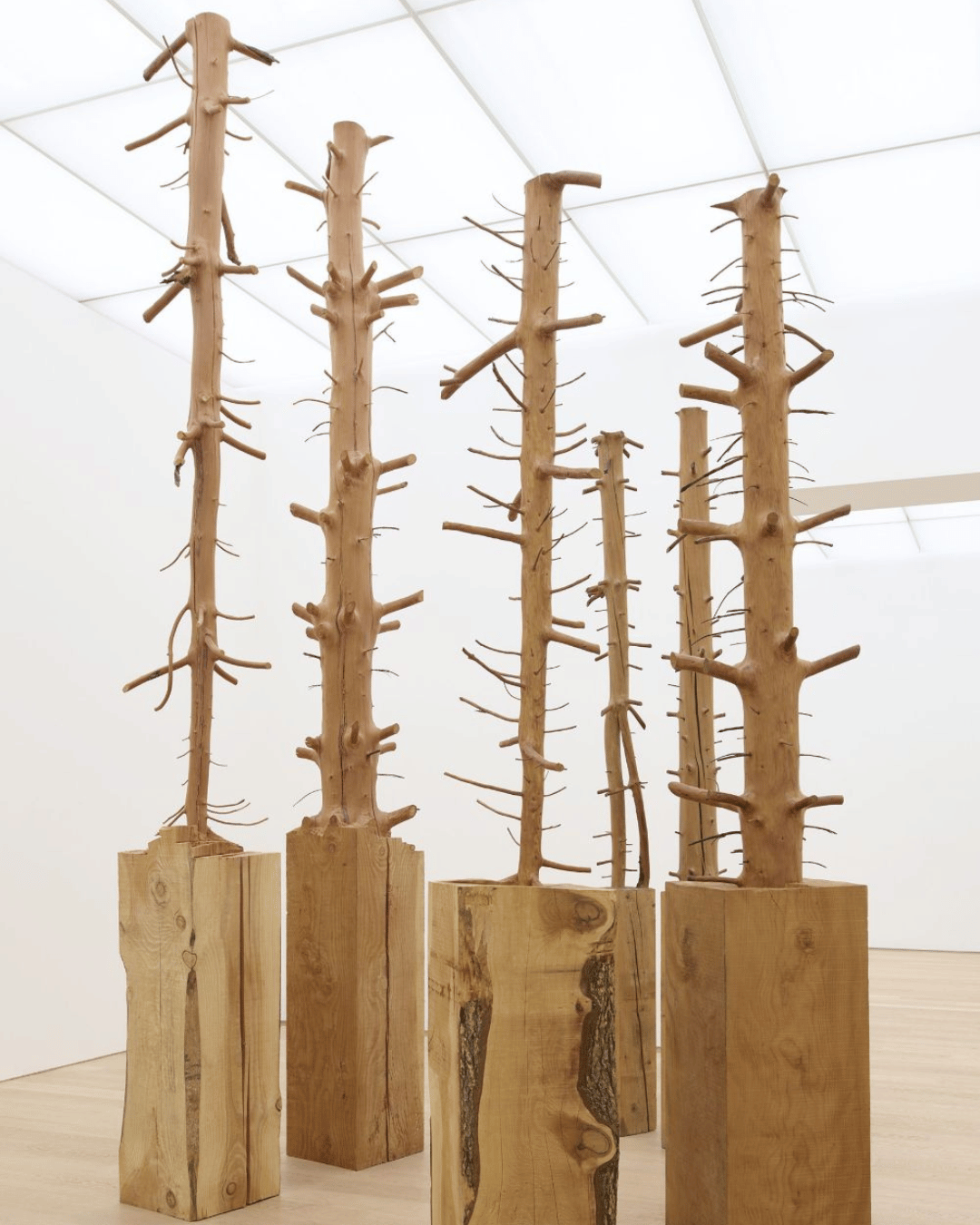
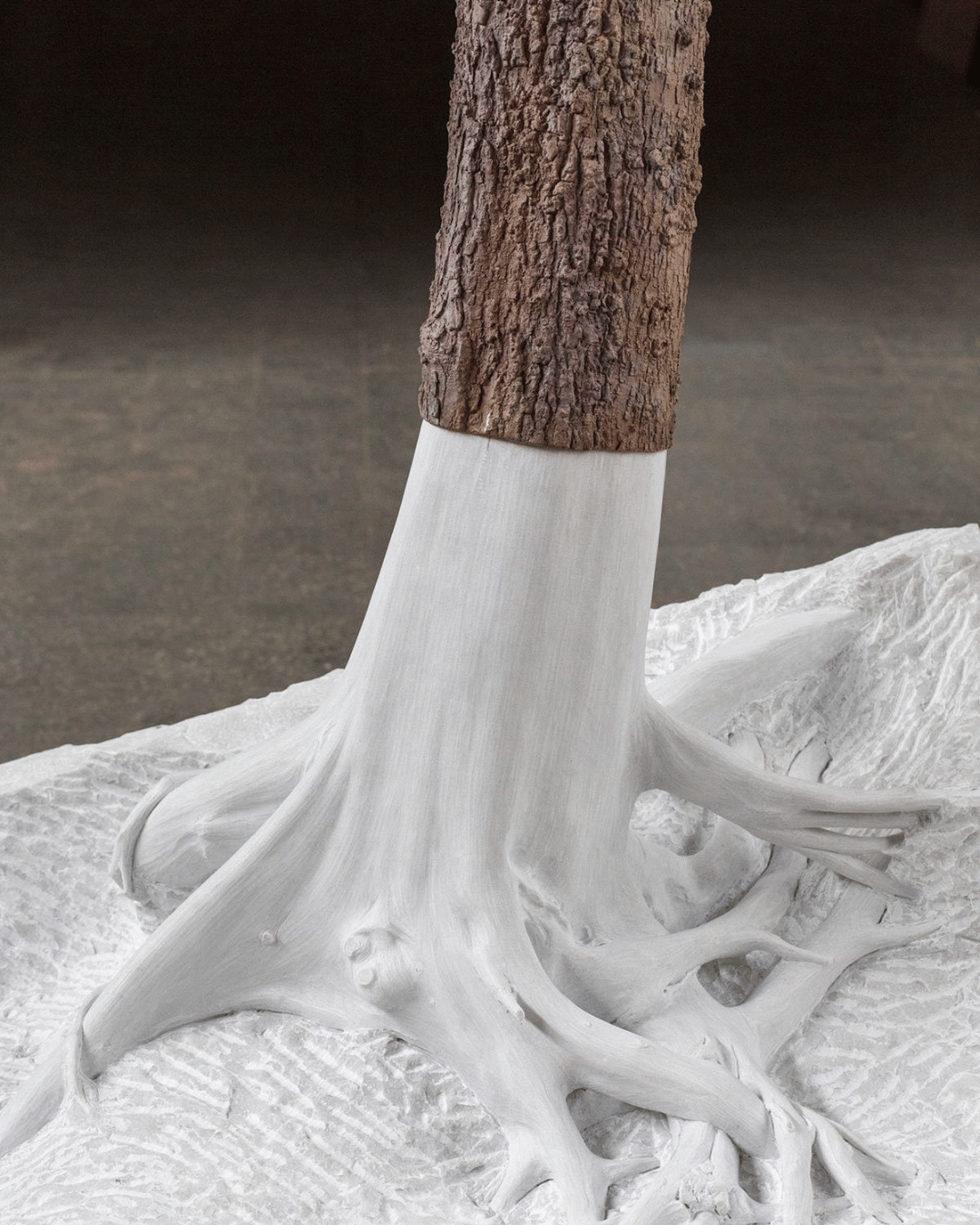
In his early Alberi works, Penone took industrial wooden beams and carefully carved away their outer layers, following the wood’s growth rings until he revealed the younger tree that had once existed inside. Sculpture, in his hands, became an act of excavation.
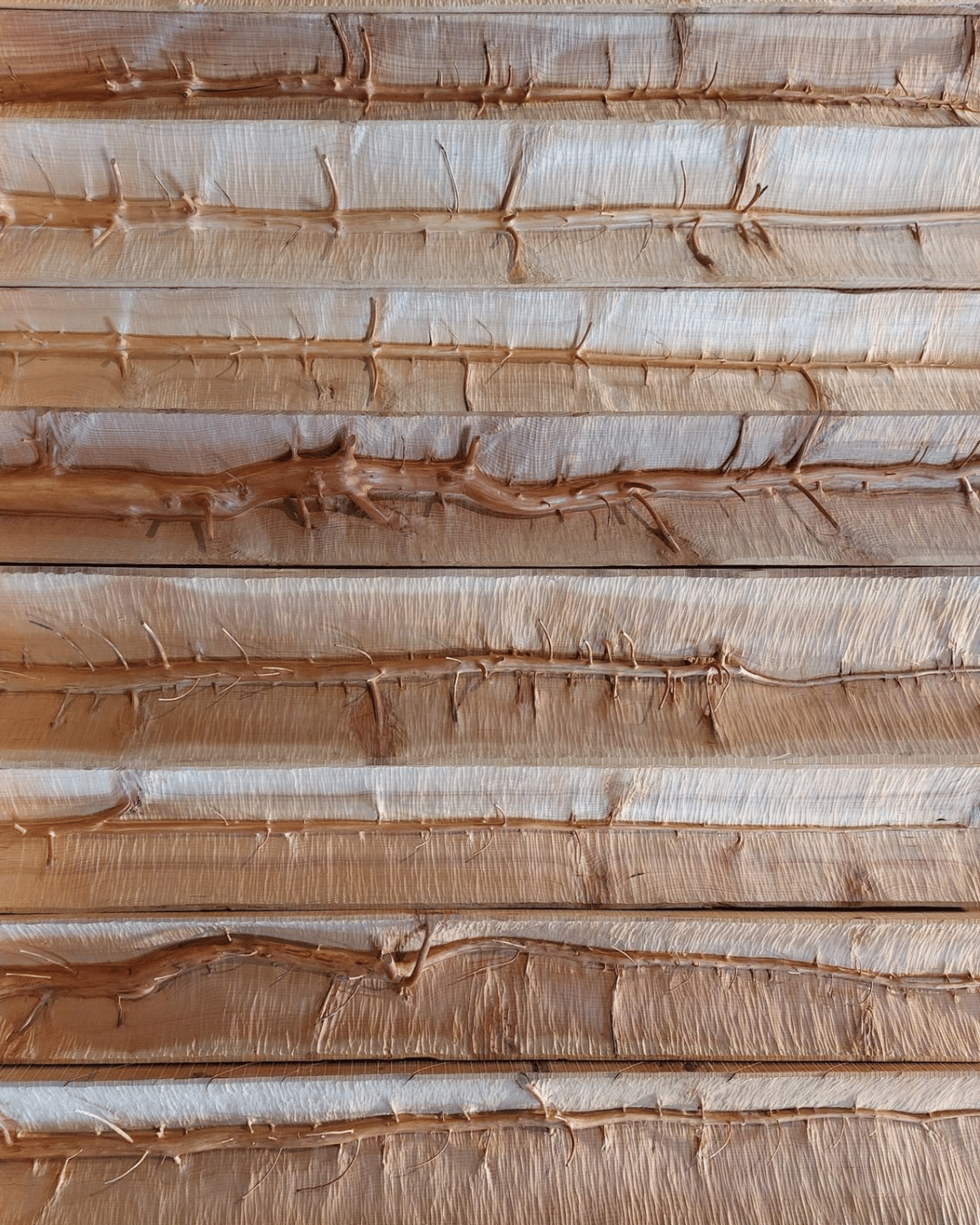
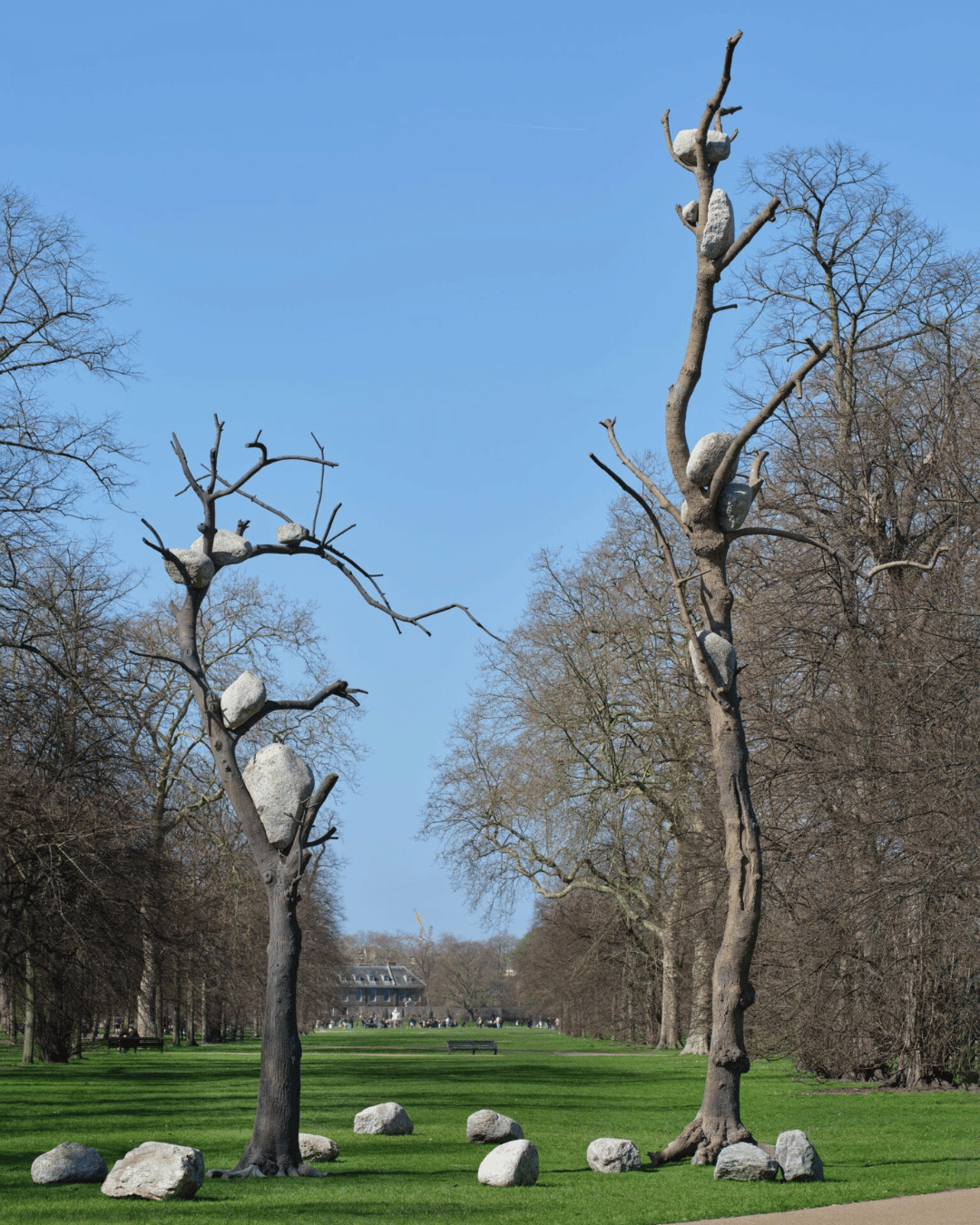
That idea runs throughout his career. Bronze can behave like bark. Stone can hold the memory of a river. Skin becomes a surface capable of recording the world around it. Fingerprints, breath, touch, growth, erosion, and time become artistic materials in their own right.
His works often play tricks on perception. A bronze tree may appear completely natural until a closer look reveals the transformation. A stone seems untouched until the human hand becomes visible within it. The distinction between what nature produced and what the artist changed is intentionally difficult to locate.
More than five decades into his career, Penone’s work feels especially relevant. Long before conversations around ecology became central to contemporary culture, he was thinking about humans not as observers of nature, but as organisms inside it.
Perhaps that is why his sculptures can feel simultaneously ancient and contemporary. Penone is not trying to imitate the natural world.
He is asking us to notice that we were part of it all along.
© Giuseppe Penone