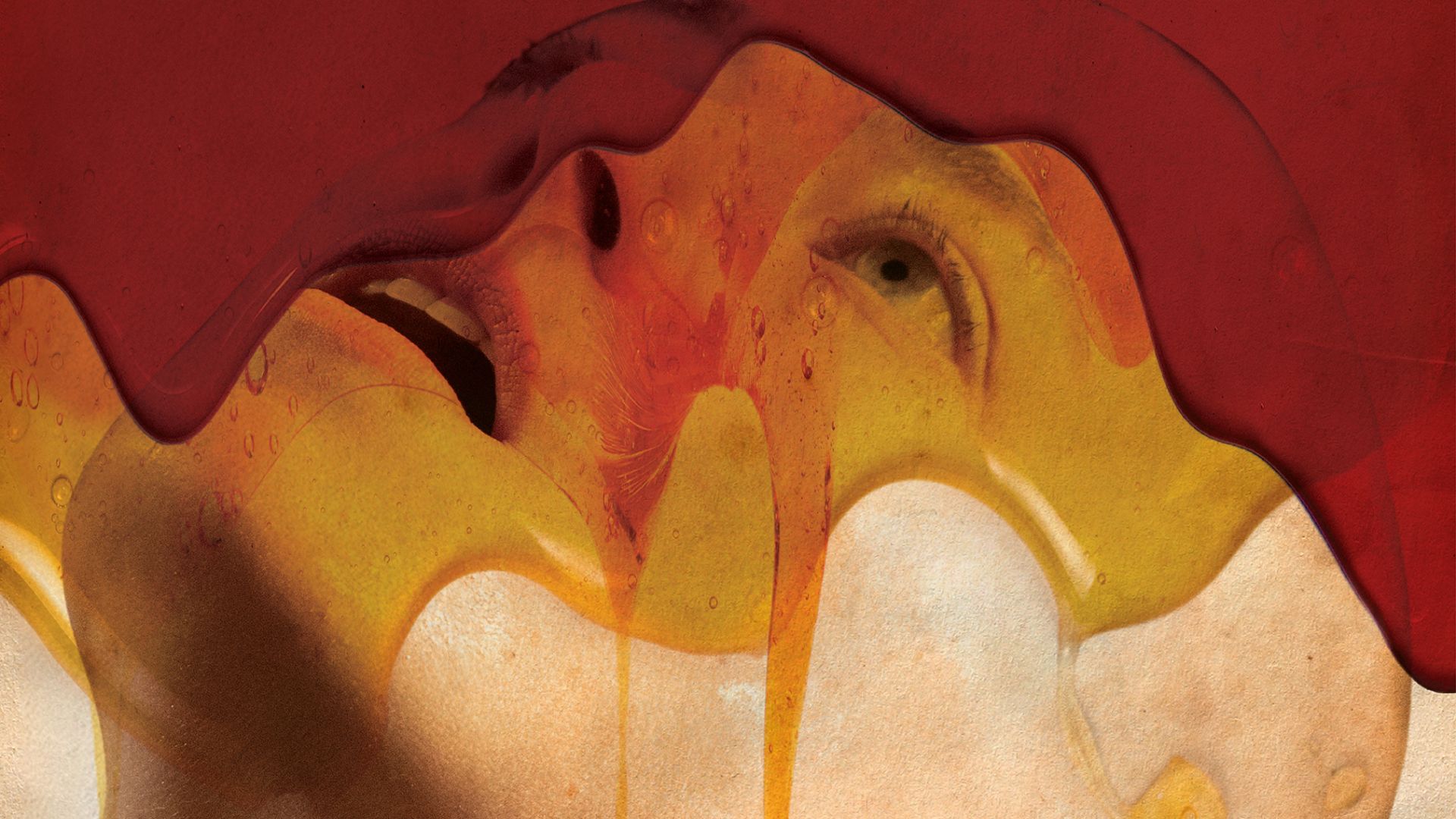
There are films that stay with you—and others that quietly displace you. The cinema of Yorgos Lanthimos tends to do the latter. His stories often begin in the familiar, but something always slips out of place: a skewed logic, an unusual cadence of speech, decisions that never fully align. The point isn’t to understand everything, but to step into his world.
Bugonia
In Bugonia, his most recent film, everything unfolds from an idea that might initially seem absurd: two men convinced there is something hidden beneath the reality we all accept without question. But in Lanthimos’s hands, that suspicion doesn’t remain static.
What’s compelling is how this internal logic holds—and grows increasingly unsettling. You’re never entirely sure what is real, what is paranoia, or how far you’re willing to believe as the story moves forward.

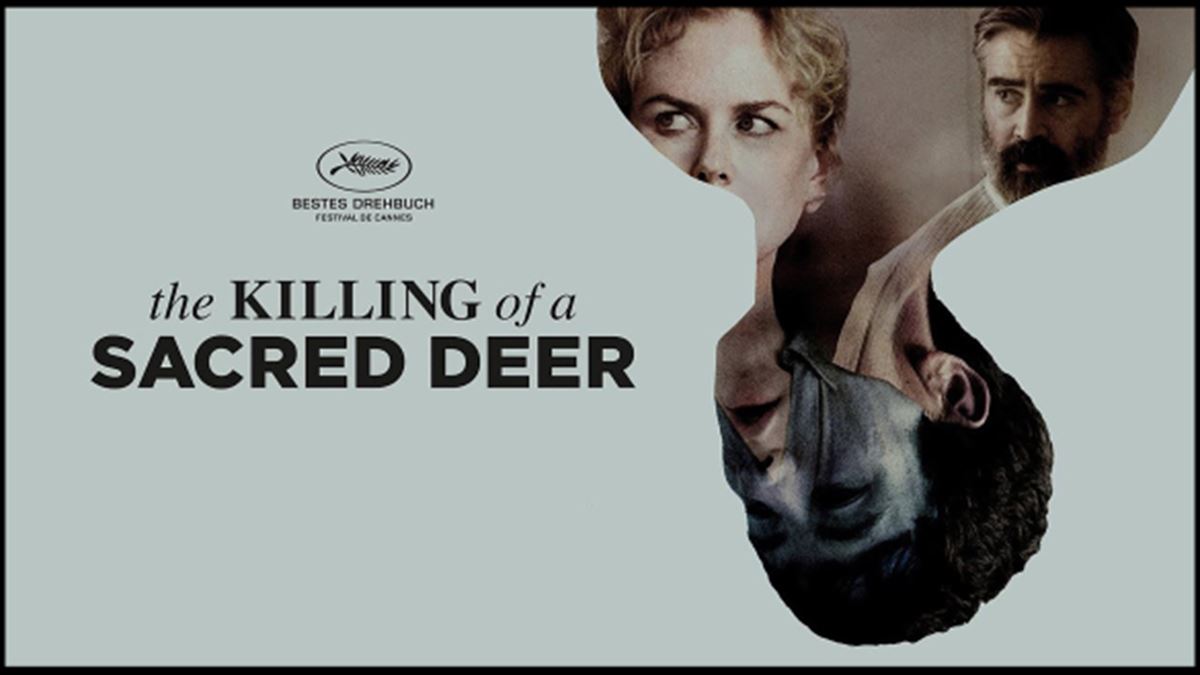
The Killing of a Sacred Deer
It begins almost quietly: a family, a well-established routine, relationships that appear ordinary. But gradually, something feels off.
The tension doesn’t arrive all at once—it builds. And before you realize it, you’re inside a narrative where every decision carries more weight than it first suggests.

Poor Things
In Poor Things, everything is seen for the first time. That unfiltered way of perceiving the world—without prior references—opens the door to questioning what we usually take for granted: rules, boundaries, even the way we define freedom. In that process, the film becomes both strange and impossible to let go of.

In the end, Lanthimos’s cinema isn’t meant to feel comfortable. His stories don’t always fit neatly into place, but that is precisely where their strength lies: in that lingering sense of unease that resists explanation and stays with you long after.
If these films drew you in, it’s worth exploring the rest of his work. You can discover more through his full filmography.